Is College Park Orlando Family Living Right for You?
May 28, 2026
May 28, 2026
Wondering if College Park should be at the top of your Orlando home search? If you want a neighborhood that feels central without feeling overly hectic, College Park stands out for its historic character, walkable main street, and everyday convenience. Below, you’ll get a clear look at what College Park feels like, what kinds of homes you’ll find, and who this neighborhood tends to suit best. Let’s dive in.
College Park is a City of Orlando neighborhood located about two miles northwest of Downtown Orlando. That close-in location is a big part of its appeal if you want easier access to central Orlando while still living in a more residential setting.
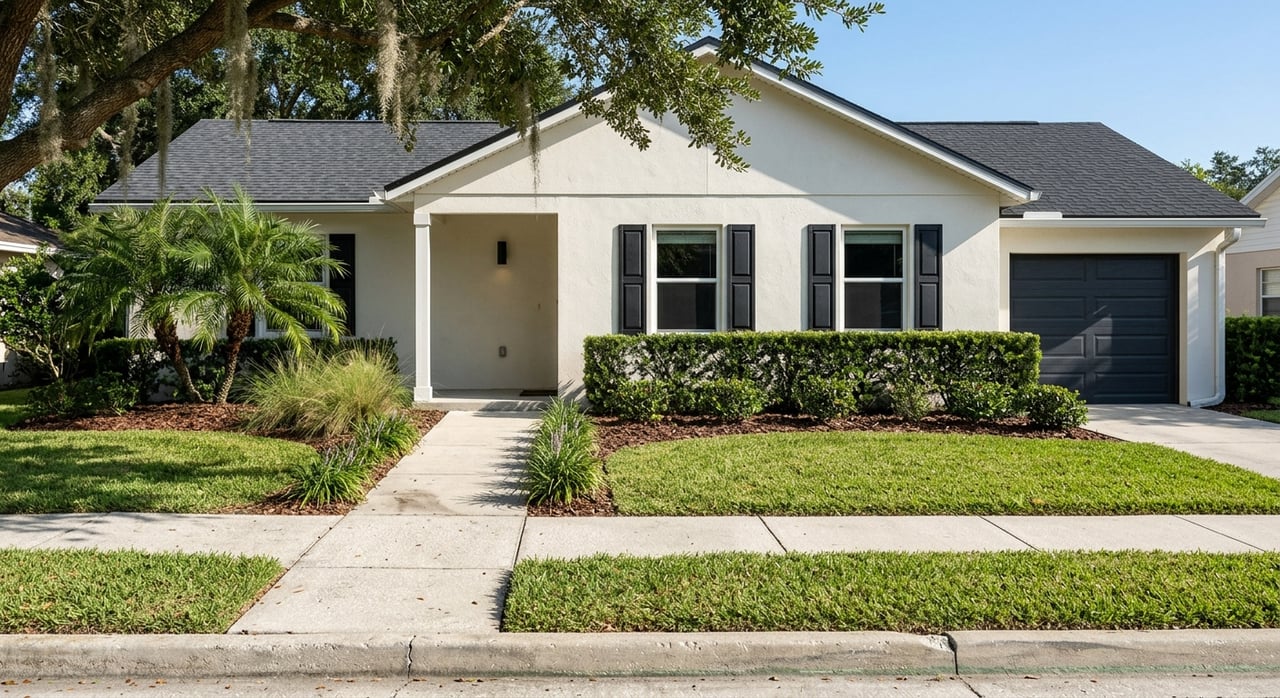
The neighborhood is centered around Edgewater Drive, which acts as the main street corridor. City materials describe the area as historic and tree-lined, with bungalow-style homes, local retailers, restaurants, parks, and lakes. In practical terms, that means you get a neighborhood feel with day-to-day amenities close by.
College Park has a quieter, older feel than some of Orlando’s more destination-driven districts. Compared with places like Thornton Park, Ivanhoe Village, or Winter Park, it reads as more residential and less built around nightlife or heavy visitor activity.
That does not mean it feels sleepy. Instead, it tends to feel established, local, and community-oriented. If you like the idea of a neighborhood where people can run errands, visit parks, and attend recurring local events without the pace of a busier urban district, College Park may feel like a strong match.
One of the biggest draws in College Park is its physical character. City sources note that the neighborhood has nearly 100 years of history and was one of Orlando’s first subdivision communities, which helps explain the mature trees, older street pattern, and long-standing residential identity.
You’ll often see bungalow-style homes and brick, tree-lined streets highlighted in city descriptions. For buyers, that usually translates into more architectural character and a stronger sense of place than you might find in a newer subdivision.
At the same time, the broader area is not frozen in place. Nearby redevelopment in the Packing District points to future mixed-use and residential growth, with plans for 3,500 housing units on 97 acres. So if you are considering College Park, it helps to think of it as a historic core with newer development activity nearby rather than a neighborhood made up mostly of new construction.
If walkability matters to you, College Park has a lot going for it. The City of Orlando’s Edgewater Drive Complete Street Project is focused on improving safety, accessibility, and mobility for walking, biking, driving, and micromobility along the heart of the neighborhood.
Planned and ongoing improvements include wider sidewalks, better pedestrian features, lighting, landscaping, and a 25 MPH design speed through the core. That reinforces one of College Park’s main lifestyle advantages: it is designed to support local movement, not just pass-through traffic.
Like many active corridors, there can still be traffic backups in parts of the district, especially near Vassar due to signal spacing. Still, for many buyers, the tradeoff is worth it because the neighborhood is structured around a more connected, usable everyday experience.
College Park offers more than just attractive streets. The neighborhood is surrounded by lakes and includes access to parks and public recreation spaces that support an active daily routine.
City neighborhood materials point to local amenities such as Dartmouth Park, Albert Park, Princeton Park, College Park Pool, and the College Park Neighborhood Center. These spaces add practical value to the area and give you options beyond your own block.
Dartmouth Park includes playgrounds, picnic space, and a small exercise course. Albert Park offers a pavilion, seating, and picnic amenities. Princeton Park and College Park Pool include a playground and restrooms.
For many buyers, that mix is important because it supports both quick weekday use and more relaxed weekend time outdoors. In a central Orlando location, that kind of access can be a meaningful lifestyle advantage.
The College Park Neighborhood Center adds another layer of convenience. According to the City of Orlando, it includes a swimming pool, fitness center, gymnasium, computer lab, game room, and multi-purpose room.
It also offers programming such as summer camp, school-vacation-day camp, after-school programming, fencing lessons, and a junior counselor volunteer track. If you are comparing neighborhoods based on practical amenities, this is one of College Park’s stronger features.
If school assignment is part of your move, the most important thing to know is that Orange County Public Schools assigns students by home address. OCPS also notes that zoning can change, so any specific property should be verified through the district’s Find My School tool.
One OCPS feeder-pattern document shows Princeton Elementary feeding to College Park Middle, which then feeds to Edgewater High in an aligned pattern for the area. That gives buyers a useful framework, but it should never replace address-specific confirmation.
College Park Middle lists programs such as French and After School All Stars. Edgewater High highlights Honors and AP coursework, along with dual enrollment opportunities with Valencia College, the University of Central Florida, and the University of Florida.
These details are helpful if you are building a general picture of the area. They also reinforce why it is smart to verify each address directly before making a final decision.
A neighborhood can look great on paper and still not feel right in real life. College Park’s event calendar helps show what day-to-day community life is actually like.
College Park JazzFest has been the district’s flagship annual event since 2002. The city encourages attendees to bike or walk because street parking is limited, which says a lot about how local and community-centered the event is.
Holiday on the Drive is another recurring tradition, with the city describing it as a family-friendly event featuring Santa, a snow slide, live carolers, food trucks, carriage rides, crafts, and live music. Together, these events suggest a neighborhood identity built around community participation rather than purely commercial activity.
College Park tends to work well for buyers who want central Orlando access, older-home character, parks, and the ability to handle at least some daily errands close to home. It can also appeal to buyers who want a neighborhood with a clear identity and a more established residential feel.
If you love mature trees, historic context, and a main street corridor that supports local businesses, College Park checks many of the right boxes. It may also appeal to buyers relocating to Orlando who want something central but not overly busy.
No neighborhood is perfect for every buyer. If your top priority is a large lot, all-new construction, or a master-planned suburban layout, College Park may not line up as closely with your goals.
That does not make it a bad option. It simply means its strengths are different. The neighborhood is best understood as an established central district with character and convenience, not as a new-build suburban community.
If College Park is on your shortlist, try to evaluate it through a few practical lenses:
Those questions can help you move past broad impressions and focus on fit. The right neighborhood is rarely just about price or style. It is about how you want to live.
College Park offers a distinctive mix of historic character, central location, walkability, and neighborhood amenities that is hard to duplicate in Orlando. For the right buyer, that combination can feel both practical and personal.
If you are looking for a place with mature trees, established homes, community events, and easy access to the urban core, College Park deserves a serious look. And if you want help comparing it with other Orlando neighborhoods or evaluating specific properties, Jesse T. Rottinghaus can help you build a smarter move strategy.
Stay up to date on the latest real estate trends.
July 23, 2026
July 16, 2026
July 9, 2026
July 2, 2026
June 25, 2026
June 18, 2026
June 11, 2026
June 4, 2026
May 28, 2026