Winter Garden Historic vs New Homes: Find Your Best Fit
May 7, 2026
May 7, 2026
If you are torn between Historic Downtown Winter Garden and one of the newer communities nearby, you are not just choosing between older homes and newer construction. You are choosing between two very different ways of living day to day. One centers on historic character, local events, and a more walkable routine, while the other is built around planned amenities, HOA structure, and newer infrastructure. If you want to know which one fits how you actually live, this guide will help you compare the tradeoffs with more confidence. Let’s dive in.
Winter Garden had an estimated population of 48,771 in 2024, with a median household income of $106,495, a median owner-occupied home value of $476,000, and a mean travel time to work of 27.3 minutes. For buyers, the bigger story is that the area offers two distinct housing models within the broader Winter Garden conversation.
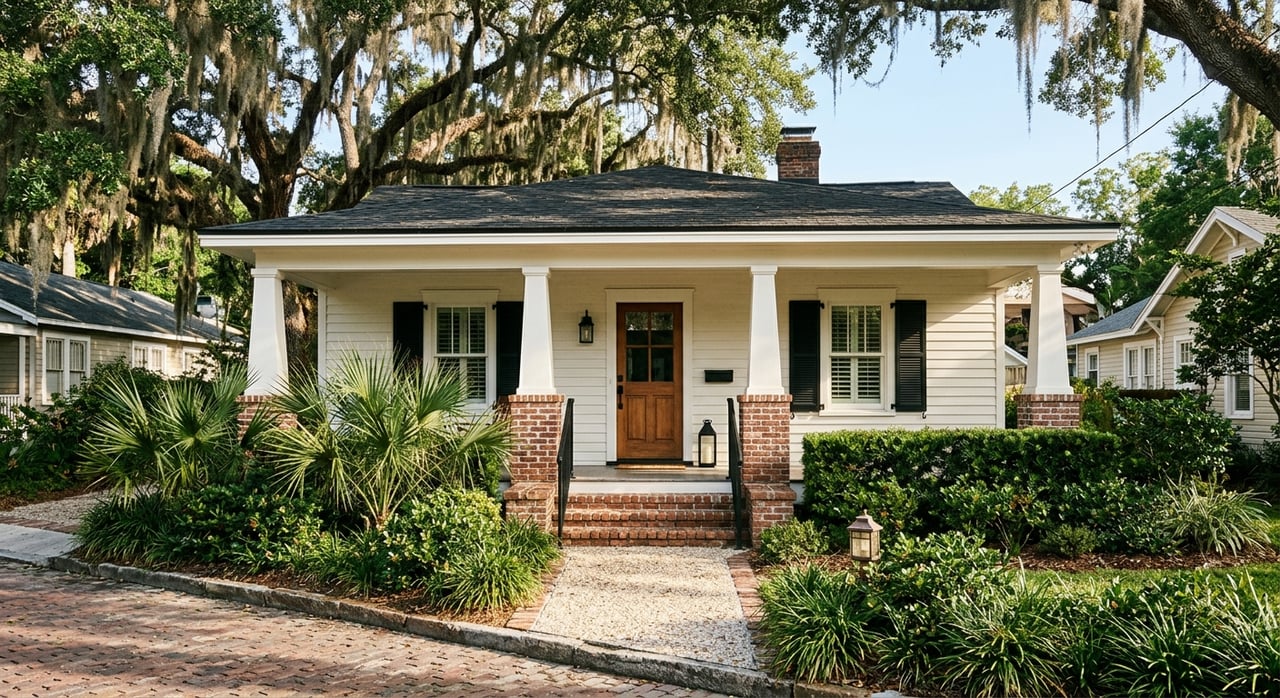
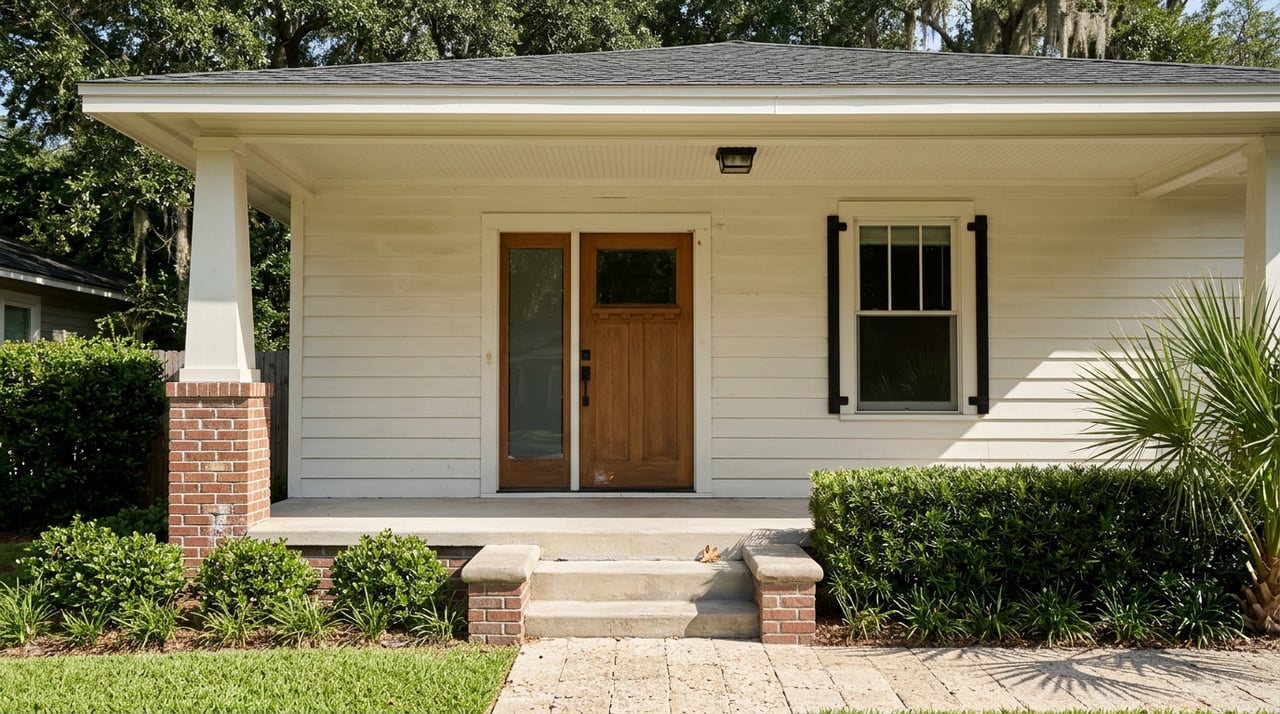
Historic Downtown Winter Garden is built around preserved historic fabric, civic activity, and a concentrated town-center experience. Many newer communities buyers compare against are in Horizon West, a large master-planned growth area in southwest Orange County built around villages, greenbelts, HOA governance, and newer development patterns.
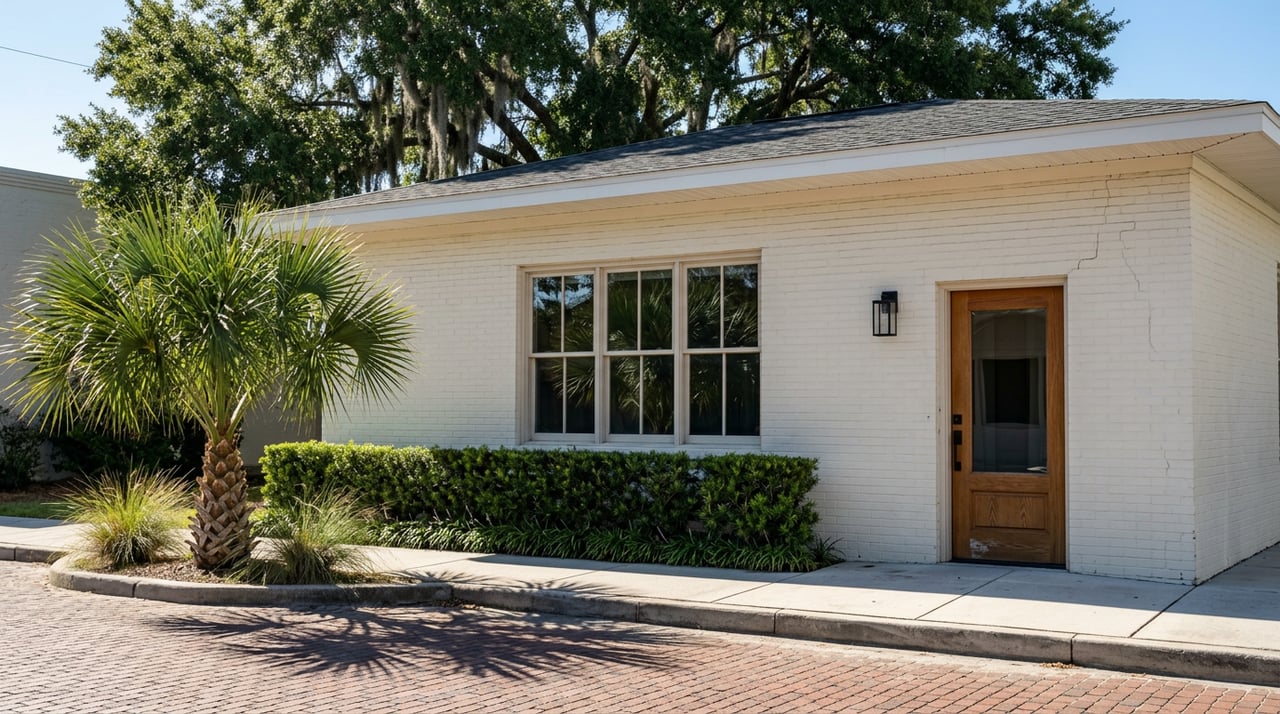
The City of Winter Garden describes downtown as a quaint historic district listed on the National Register of Historic Places. The area is known for brick-lined streets, boutique shops, restaurants, museums, landscaping, and the Garden Theatre.
It is also a major destination. The city says the revitalized downtown draws 1.4 million visitors each year, which helps explain why the area feels active and event-driven compared with a more traditional subdivision setting.
The Historic Downtown Architectural Overlay was adopted in 2010 and covers about 116 acres with 270 residential and commercial properties. Many of the historic buildings date from roughly 1915 to 1940.
That matters if you are considering a purchase with renovation plans. In this area, exterior changes, additions, new construction, or major alterations may require more review than they would in a newer neighborhood.
Downtown living is often about proximity and rhythm. You may be close to cafés, restaurants, museums, community events, and local retail in a way that supports shorter local trips and more time spent out in the public realm.
The Winter Garden Farmers Market is a good example. It runs every Saturday from 8:00 a.m. to 1:00 p.m., includes more than 100 vendors, and attracts more than 3,500 weekly visitors. Parking downtown is advertised as always free, including a three-level garage and a city lot.
Another defining amenity is the West Orange Trail. Orange County lists it as a 22.32-mile paved trail open from sunrise to sunset, and it passes through Winter Garden.
For some buyers, trail access is a real lifestyle feature that shapes weekday exercise, weekend plans, and how connected the area feels. It is worth noting that the city says golf carts are only allowed on designated city streets and are not allowed on the West Orange Trail.
When buyers say they are comparing downtown to a newer community, they are often talking about Horizon West. Orange County says Horizon West includes five mixed-use villages and a Town Center, covers about 20,704 gross acres with 11,850 developable acres, and was adopted in 1995.
The county also describes Horizon West as the fastest-growing community in unincorporated Orange County. That growth has created a very different living environment from downtown Winter Garden.
Horizon West was designed around a master-planned model. Orange County’s design standards describe a planning approach intended to support more compact and complete communities, with architectural standards that address details such as porches and garage placement to improve the pedestrian experience.
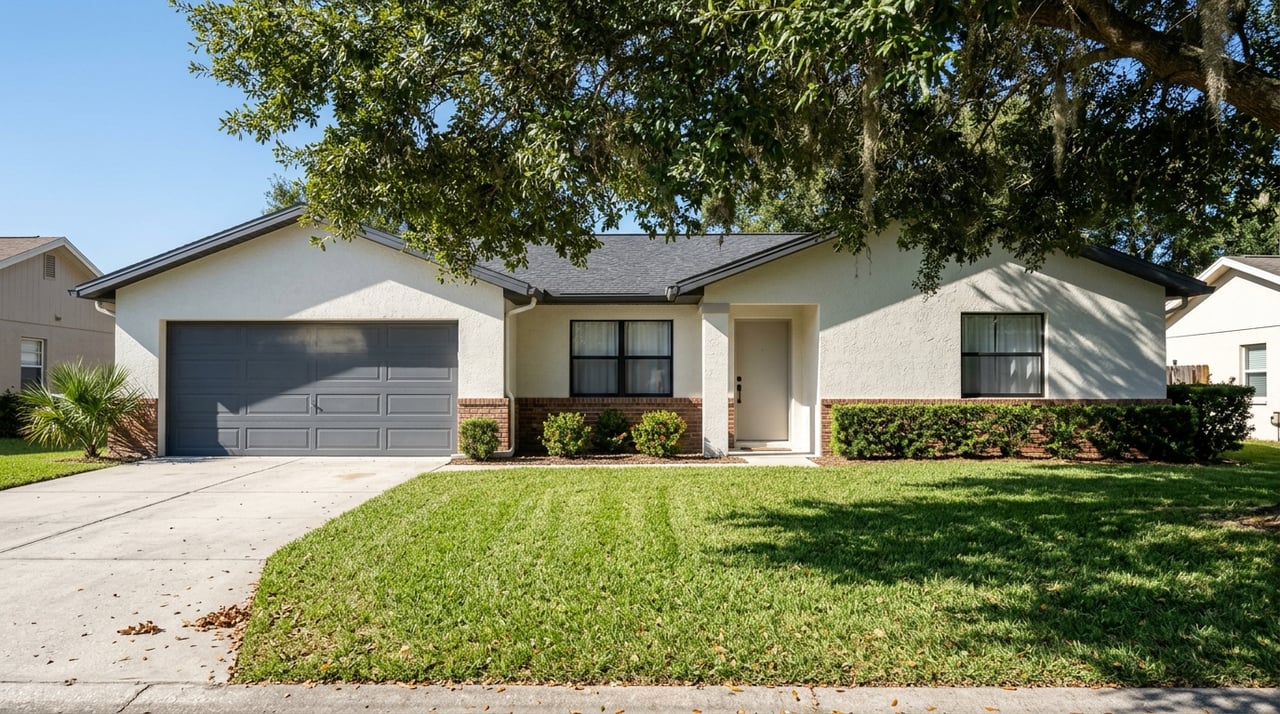
In practical terms, that often means a more uniform streetscape, newer homes, newer roads and utilities, and a neighborhood layout shaped by long-range planning rather than historic preservation. If you prefer consistency and newer construction, this can be a major advantage.
Newer communities also tend to offer more private amenities within the neighborhood itself. Independence, for example, is a 1,300-acre master-planned community with nearly 1,900 properties, 15 parks, 4 playgrounds, more than 6 miles of bike and walking trails, 2 residents clubs, and 2 resort-style pools.
The community also has a full-time Lifestyle Director and frequent programmed events. That creates a more managed, amenity-heavy experience than what you would typically find in the downtown core.
The Enclave at Hamlin offers another example of this model. Its official HOA site highlights planned amenities including a pool with cabana overlooking Lake Hartley and a tot lot, along with professionally managed resident services and community operations.
Some buyers assume newer communities mean fewer rules, but that is not always the case. In many HOA-governed neighborhoods, exterior changes still require approval.
Independence, for example, uses an Architectural Review Committee process for substantial exterior changes. So while the type of oversight differs from a historic overlay, the idea of review and compliance is still very much part of the ownership experience.
This is the clearest way to compare Historic Downtown Winter Garden and newer communities. The question is less about old versus new and more about how you want your day to feel.
Downtown Winter Garden tends to appeal to buyers who want character, civic activity, and a more public-facing lifestyle. Your routine may revolve around coffee shops, the farmers market, trail access, local dining, arts, and community events.
Newer communities often appeal to buyers who want private amenities, organized neighborhood systems, and newer homes with a more standardized environment. Your routine may revolve more around residents clubs, pools, parks, HOA-managed common areas, and driving between destinations.
If you are deciding between these options, think carefully about what type of oversight feels easier for you. In downtown, the historic overlay can bring more scrutiny to exterior renovations, additions, and design changes.
That can be a positive if you value preservation and want the surrounding area to maintain its historic identity. It can be a drawback if you want broad flexibility to rework a property without additional review.
In newer communities, the oversight usually comes through HOA rules and architectural review. That may feel more familiar to buyers who want a curated environment, but it still means you should read documents carefully before you buy.
For renovation-minded buyers, this is where experienced guidance matters. A home with charm or a home in a structured HOA setting can both be strong choices, but the path to updating or customizing each one can look very different.
If schools are part of your home search, avoid making assumptions based on the neighborhood name alone. Orange County Public Schools says school assignments are based on the student’s home address, and annual attendance-zone maps are updated each year.
In the broader Winter Garden and west-corridor area, established campuses include Dillard Street Elementary and Lakeview Middle. Newer growth in the area also includes campuses such as Water Spring Elementary, Summerlake Elementary, Whispering Oak Elementary, Horizon West Middle, and Horizon High.
The key point is simple: you should verify the school assignment for any specific property address before making a decision. That step matters in both historic and newer areas.
Commute style is another major difference. Winter Garden’s mean travel time to work is 27.3 minutes, but your actual experience can vary a lot depending on where you live and where you go most often.
Downtown living may support more walkable local routines, especially for dining, events, and trail access. Newer communities in the Horizon West corridor are often more dependent on cars and arterial roads for daily trips.
Orange County says rapid growth in Horizon West has increased demand on the road network and is driving major road projects, including improvements involving Ficquette Road, Reams Road, New Independence Parkway, and Flemings Road. If your schedule depends on frequent regional driving, that is worth factoring into your search.
If you love older architecture, brick streets, and a town-center atmosphere, Historic Downtown Winter Garden may feel more personal and memorable. It tends to fit buyers who want a strong sense of place and are comfortable with the added diligence that can come with historic properties.
If you want newer construction, planned amenities, and a more standardized neighborhood setup, a newer community may be the better fit. This path often works well for buyers who value pools, parks, trails, managed common areas, and a more predictable ownership experience.
Budget also deserves a practical look. Winter Garden’s citywide median owner-occupied home value is $476,000, but your true comparison may come down to the cost of renovation and preservation compliance in a historic area versus HOA fees and newer-home pricing in a master-planned community.
The best choice is the one that matches how you want to spend your time, how much oversight you are comfortable with, and what kind of homeownership experience feels sustainable for you long term.
If you are weighing Historic Downtown Winter Garden against newer communities, a clear strategy can save you time and help you focus on the right fit from the start. Jesse T. Rottinghaus can help you compare lifestyle, renovation considerations, and neighborhood structure so you can move forward with confidence.
Stay up to date on the latest real estate trends.
August 20, 2026
August 13, 2026
August 6, 2026
August 6, 2026
July 23, 2026
July 16, 2026
July 9, 2026
July 2, 2026
June 25, 2026