Should You Renovate Before Selling In Winter Park?
May 14, 2026
May 14, 2026
Wondering if you should renovate before selling in Winter Park? It is a smart question, especially in a market where buyers notice both presentation and character. If you are trying to decide between updating, lightly refreshing, or selling as-is, the right answer usually comes down to scope, timing, and what your home already does well. Let’s break down how to think about that decision in Winter Park.
Winter Park is a premium market, and presentation carries real weight. In March 2026, the median sale price was $790,000, homes sold in about 46 days on average, the sale-to-list ratio was 96.4%, and 30.8% of listings had price drops. That tells you buyers are active, but they are also selective.
The city also has a high owner-occupied housing value profile, with the Census Bureau reporting a median owner-occupied home value of $731,400 and a 66.2% owner-occupied rate. In a market like that, buyers often expect a home to feel well cared for from the moment they walk in. That does not always mean a major renovation, but it does mean condition and presentation matter.
If you are hoping for the best return before listing, a full gut remodel is usually not the safest play. National 2025 cost-versus-value data shows that many large projects recoup far less than sellers expect. A major kitchen remodel recoups 51% on average, an upscale bathroom remodel recoups 42%, and large additions can land in the 18% to 36% range.
That does not mean updates never help. It means you should be selective. In Winter Park, where charm, architecture, and first impressions often drive buyer interest, targeted improvements are usually a better fit than expensive overhauls.
Before you think about moving walls or rebuilding rooms, focus on the items that shape how your home shows. The 2025 Remodeling Impact Report found that 46% of buyers are less willing to compromise on home condition. The same report says the top projects real estate professionals recommend before listing are painting the entire home, painting one room, and new roofing.
For many Winter Park sellers, the highest-value starting points are simple and visible:
These improvements help buyers see the home more clearly and reduce the sense that they will inherit a to-do list. That matters in a market where expectations are high.
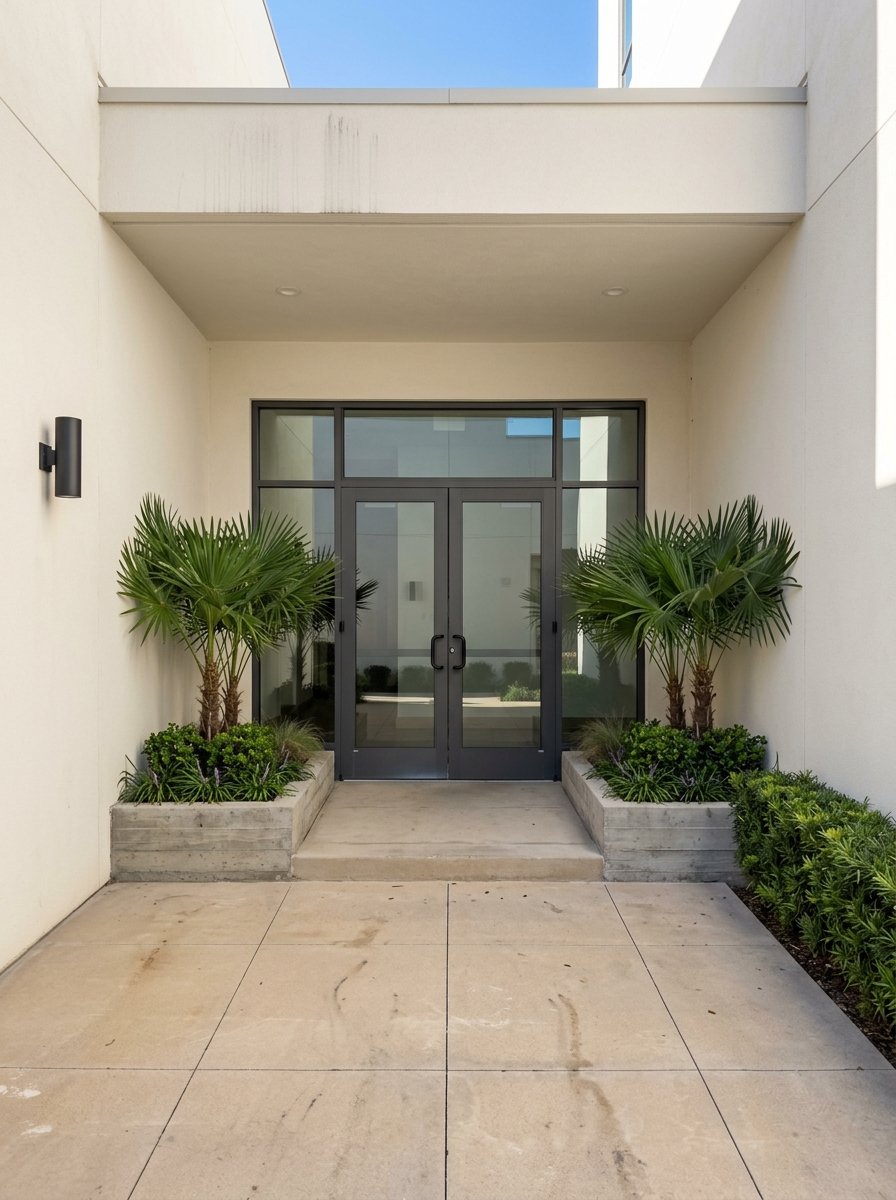
If you have a renovation budget, front-of-house projects often offer the strongest resale logic. The 2025 cost-versus-value report shows garage door replacement at 268% cost recouped, steel entry door replacement at 216%, manufactured stone veneer at 208%, and fiber-cement siding replacement at 114%.
That does not mean every Winter Park seller should run out and replace siding or add stone veneer. It does mean exterior improvements often carry more resale power than sellers assume. A cleaner facade, sharper entry, and stronger curb appeal can change how buyers feel before they ever step inside.
In Winter Park, the goal is not to erase personality. The goal is to present the home as polished, maintained, and easy to say yes to.
This point matters a lot in Winter Park. The city notes that it has more than 700 historic structures, and those represent about 7% of residential dwellings. The city also states that buyers value authentic character and materials.
If your home has original details, architectural personality, or a distinct old Florida feel, do not assume newer always means better. In many cases, preserving what makes the home special can be part of the value story. Buyers in Winter Park often respond to homes that feel authentic, not generic.
If your property already has a strong identity, a thoughtful refresh is often more effective than a full redesign that strips away what made it appealing in the first place.
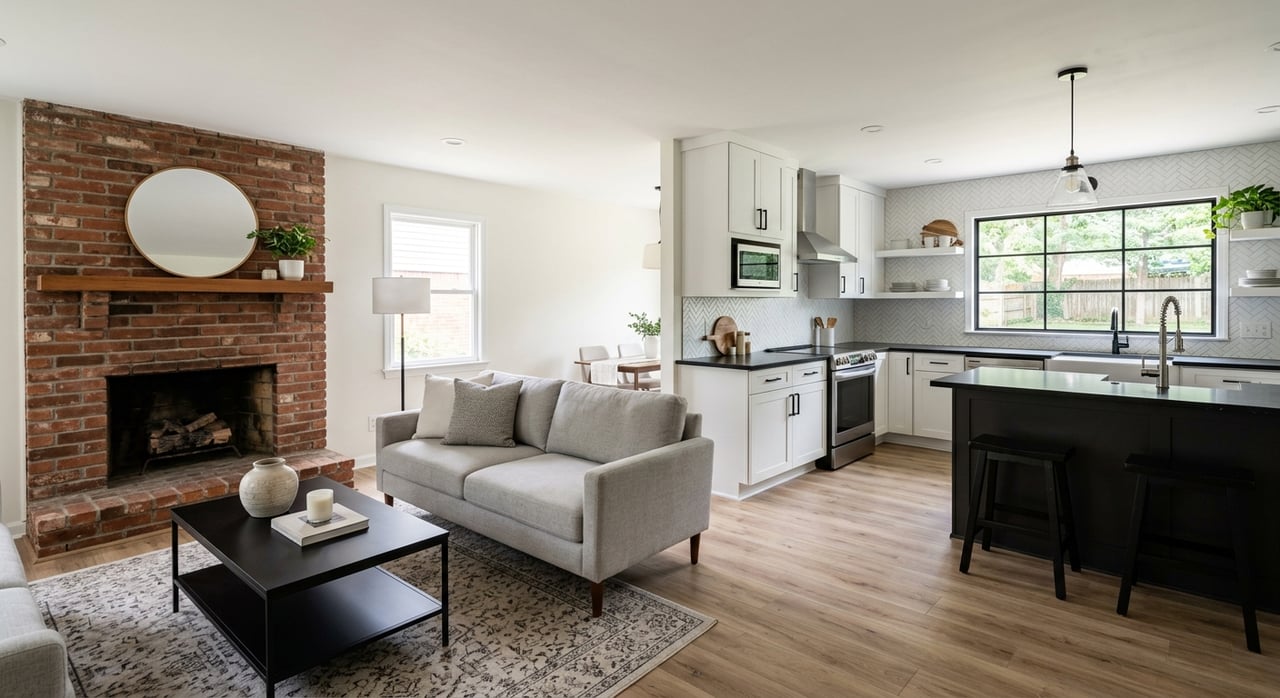
Kitchens and bathrooms influence buyer perception, but that does not automatically justify a full rebuild. The 2025 cost-versus-value data shows a minor kitchen remodel recoups 113% on average, while a midrange bath remodel recoups 80%. Compare that with the lower returns on major or upscale versions, and the pattern is clear.
In many cases, a facelift beats a full renovation.
If the space functions well already, you usually do not need to rebuild it to improve buyer response. A cleaner, brighter, more current look can do the job.
Sometimes the smartest answer is not renovating at all. Selling as-is can make sense when the home needs major structural work, a costly layout change, or a project that would delay your listing longer than the likely payoff.
This is especially true if your home is already likely to attract buyers because of location, lot, architecture, or overall price point. In Winter Park, some buyers are willing to take on work if they see long-term upside or value the home’s character enough to do the updates their own way.
If the needed work is light and visible, doing some prep is usually better. If the project is large, uncertain, or time-consuming, as-is may protect your timeline and reduce risk.
In Winter Park and Orange County, renovation choices are not just about design and resale. They can also affect your timeline and sale process.
Orange County warns that work completed without a permit can create challenges during a home sale or while obtaining insurance. That means undocumented renovations can become a problem later, even if the work looks good.
For historic properties, there may be added approval layers for exterior changes. Winter Park states that the Historic Preservation Board handles Certificate of Review applications for additions and alterations to historic properties, and the city’s residential guide notes that approval may be required for certain exterior alterations, additions, fences or walls, and reroofs. The city also notes that interior remodeling of a designated structure is not reviewed by the Historic Preservation Board, which can make interior cosmetic work simpler than exterior changes.
If your home has permit or historic complexity, the best plan is usually a focused one. Fast, cosmetic, lower-risk improvements often make more sense than opening the door to a major construction timeline.
If you are unsure what to do before selling, use this simple framework.
In most Winter Park cases, the sweet spot is somewhere in the middle. Clean it up, improve what buyers notice first, protect the home’s personality, and avoid overbuilding for resale.
If the right updates would help but you do not want to pay out of pocket before closing, Compass Concierge may be useful. Compass markets Concierge as a program that can front the cost of services like staging, flooring, painting, cosmetic renovations, landscaping, and kitchen or bathroom improvements, with payment due when the home sells, when the listing agreement ends, or after 12 months. Depending on the state, fees or interest may apply.
For a Winter Park seller, this is best used as a strategic tool for selective pre-list improvements. It is not a reason to over-renovate. It is most helpful when it supports high-visibility, lower-risk updates that improve how the home presents and photographs.
That kind of focused prep pairs especially well with a marketing-first launch. When your updates are intentional, your pricing is grounded in the market, and your presentation is polished, you give your home a better chance to stand out for the right reasons.
The best pre-sale plan in Winter Park is usually not the biggest one. It is the one that improves condition, highlights character, avoids unnecessary risk, and helps your home hit the market looking sharp. If you want help deciding what is worth doing and what is better left alone, Jesse T. Rottinghaus can help you build a strategy around your timeline, budget, and likely buyer.
Stay up to date on the latest real estate trends.
July 9, 2026
July 2, 2026
June 25, 2026
June 18, 2026
June 11, 2026
June 4, 2026
May 28, 2026
May 21, 2026
May 14, 2026