What if your next Florida escape could help pay for itself? In Reunion Resort, you can buy a vacation home that your family enjoys while also tapping into steady short-term rental demand near the theme parks. With the right strategy, you can balance lifestyle and income.
In this guide, you’ll learn how Reunion’s amenities and location drive bookings, what the Kissimmee market baseline looks like, how to model revenue and costs, and what compliance steps to check before you buy. You’ll also get a practical due-diligence checklist tailored to Osceola County. Let’s dive in.
Why Reunion Resort stands out
Reunion is a gated, master-planned resort community known for high-end amenities that keep guests on-site. The resort features three championship golf courses designed by Arnold Palmer, Tom Watson and Jack Nicklaus, a multi-acre waterpark, multiple pools, tennis and pickleball, and on-site dining and programming. You can explore the full offering on the official Reunion Resort site.
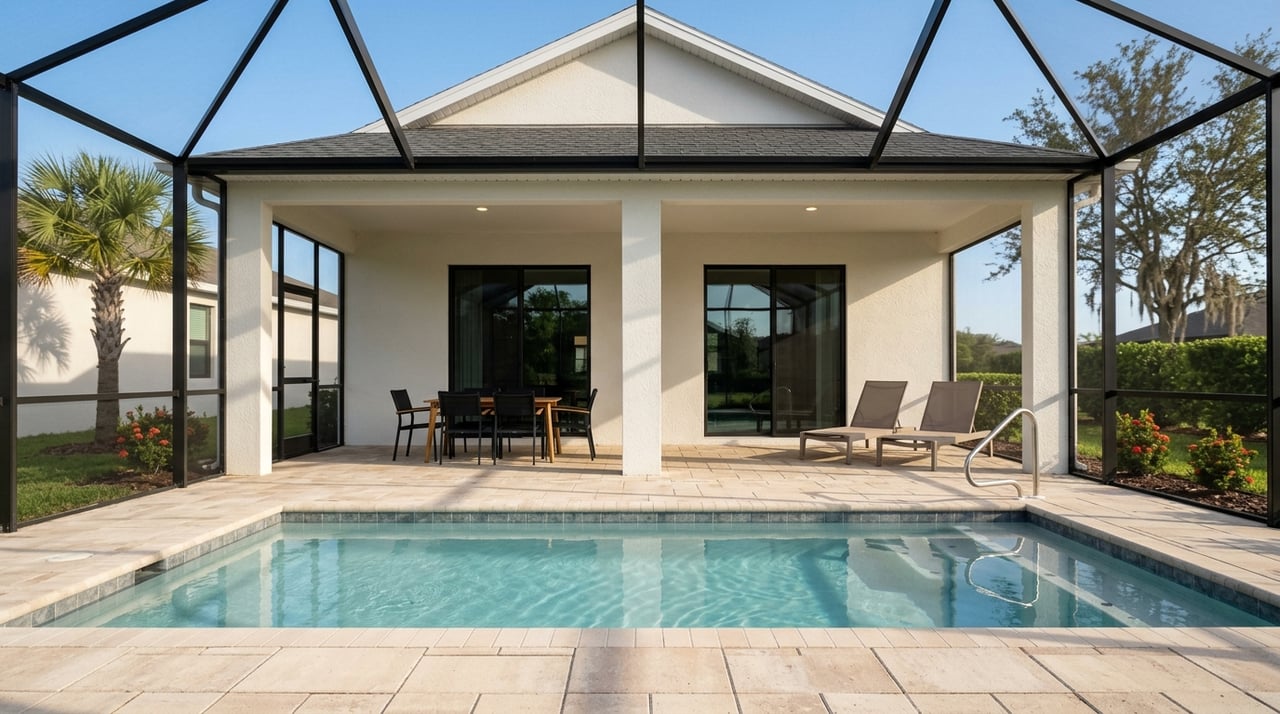
Homes range from lock-and-leave condos and townhomes to large villas built for multi-family groups. Many larger homes include private pools, theaters and game rooms that showcase well in listing photos and drive premium nightly rates.
Location and who it fits
Reunion sits in the Four Corners area of Osceola County, roughly 5 to 8 miles from Walt Disney World’s main entrances depending on route. That proximity is a primary demand driver for family and group bookings.
Typical buyers here include:
- Second-home owners who want a personal getaway plus rental income when not using it.
- Investors aiming to serve group travel, golf trips and multi-generational vacations.
- Luxury buyers who prioritize larger villas and event-friendly layouts.
Short-term rental demand at a glance
To set expectations, start with the broader Kissimmee market. Market analytics show a baseline annual occupancy around about 56 percent and an average daily rate of roughly 280 dollars across property types, according to AirDNA’s Kissimmee overview. Reunion’s larger villas often command higher ADRs due to size and resort access, but performance still varies by bedroom count, quality and management.
Seasonality matters. Peak windows include winter, Spring Break in March and April, summer, and major holidays. September is often softer. Expect strong holiday spikes and more modest mid-week demand, and use a full 12-month view when you analyze comps. AirDNA’s market view is a useful starting point for trendlines.
Sample revenue scenarios (illustrative)
Below are two simplified cases to help you frame underwriting. Replace these with property-level data before you make decisions.
Scenario A: Conservative baseline (Kissimmee market)
- Occupancy: 56 percent, nights booked about 204 nights.
- ADR: about 280 dollars.
- Gross revenue: roughly 57,200 dollars.
Illustrative annual expenses using common ranges and examples from the research:
- Booking taxes: Florida sales tax 6 percent plus Osceola Tourist Development Tax 6 percent equals 12 percent of gross (about 6,900 dollars). See Florida Department of Revenue and Osceola Tax Collector.
- Platform/OTA fees: assume 10 percent example (about 5,700 dollars).
- Property management: assume 20 percent example (about 11,400 dollars).
- Cleaning: 150 dollars per turnover, average length of stay 5 nights, about 41 turns (about 6,100 dollars).
- Utilities and internet: about 3,600 dollars.
- HOA/resort dues: example 6,600 dollars.
- Insurance: example 4,000 dollars.
- Property taxes: example 11,568 dollars.
- Reserves and maintenance: 10 percent of gross (about 5,700 dollars).
Under these inputs, total expenses slightly exceed gross, which produces negative cash flow before any mortgage. Add debt service and the loss widens. This highlights why purchase price, ADR and management costs are critical.
Scenario B: Upside case (Reunion premium villa)
- Occupancy: 65 percent, nights booked about 237 nights.
- ADR: 400 dollars.
- Gross revenue: roughly 94,900 dollars.
Using the same expense structure, variable items scale with revenue. In this illustration, you reach a modest positive NOI before debt of about 12,700 dollars. With the same sample mortgage, cash flow remains negative. The path to break-even or better usually involves a sharper ADR, lower carrying costs, a larger down payment, or a mix of all three.
Sensitivity levers to improve returns
- Increase ADR or occupancy with better positioning, group-friendly design, and holiday/event pricing.
- Lower costs by negotiating management fees, optimizing platform mix, and building a direct-booking channel.
- Adjust financing and price: larger down payment, price discipline, or a property with lower HOA and tax overhead.
- Prioritize homes with verified, transferable booking history and strong guest reviews.
Costs you must model
Create a detailed pro forma with conservative assumptions. Key cost lines to include:
- Taxes on bookings: Florida state sales tax 6 percent plus Osceola TDT 6 percent, typically collected from guests and remitted by you or your manager. See the Florida DOR sales tax guidance and the Osceola TDT page.
- Platform fees: host fee structures vary. Budget an input range.
- Property management: full-service models in the Orlando area commonly run about 15 to 25 percent of gross, plus cleaning and pass-throughs.
- Cleaning/turnover: often 100 to 300 dollars per stay depending on size and scope.
- Utilities, internet, pool service, landscaping and routine maintenance: expect higher pool and HVAC costs in Florida’s climate.
- Insurance: short-term rentals need specialized coverage. Review options with providers focused on STR risk such as Proper Insurance.
- HOA and resort dues: these can be significant and vary by neighborhood and membership level. Confirm current dues and any special assessments.
- Reserves for capital expenditures: budget 5 to 15 percent of gross to keep spaces guest-ready.
Compliance steps in Osceola County
Short-term rentals are a regulated business. Before you buy and before you host, confirm and complete the following:
- Register for Florida sales and use tax and file regularly. Start with the Florida Department of Revenue.
- Register for Osceola County’s Tourist Development Tax and file returns. Guidance and registration are on the Osceola Tax Collector site.
- Obtain any required Local Business Tax Receipt and keep records current. County forms are available on the Osceola office forms page.
- Confirm HOA covenants, rental rules, minimum stays, guest policies and any resort membership transfer requirements.
- Verify life-safety and occupancy rules, including smoke alarms, egress and posted emergency info, and whether inspections are required.
- Understand enforcement: Osceola audits TDT filings and can assess penalties and interest for non-compliance. Review the county’s compliance guidance.
Owners remain responsible for accuracy even if a platform collects some taxes. Work with a manager or accountant who understands Florida STR filings.
Positioning your listing to win bookings
Your goal is to own the value proposition for groups. Focus on the features and services that convert:
- Dynamic pricing and channel management across Airbnb, Vrbo and direct bookings.
- Professional photography and listing copy that highlight group dining, theater rooms, game spaces and pool safety features.
- Fast, reliable guest communication, with a local response plan and clear house info.
- Tight turnover operations and preventive maintenance so mid-stay issues are rare.
These basics help you support higher ADRs and better reviews, which compound over time.
Reunion vs nearby options
Reunion competes with other resort communities that offer waterparks, clubhouses and proximity to the parks. Areas like Windsor Hills and ChampionsGate lean family-centric and golf-forward, while communities like Encore at Reunion, Solara and Storey Lake offer similar amenity sets with different HOA rules and price points. Reunion’s edge is its signature golf pedigree and a product mix that skews to larger villas. The trade-off is higher buy-in and typically higher dues, so your underwriting should reflect that.
Your due-diligence checklist
Request and review these items early in the process:
- Parcel zoning and jurisdiction confirmation in Osceola County.
- Current HOA documents, CC&Rs and rental rules, plus any proposed amendments.
- Resort membership details, what transfers at closing, and associated fees.
- 12 to 24 months of booking statements, ADR and occupancy by month, and any manager P&Ls.
- A breakdown of owner costs: HOA dues, insurance quotes, property taxes, utilities and any special assessments.
- Confirmation of who collects and remits each tax for every channel, and copies of sales tax and TDT registrations.
- Local Business Tax Receipt and any inspection reports or life-safety certifications.
Ready to explore Reunion?
If you want a personal retreat that can also perform as a short-term rental, Reunion is worth a close look. The keys to success are realistic modeling, strong operations and a property that tells a great group-travel story. Our team pairs hands-on investor advisory with modern marketing so you can buy with clarity and launch with confidence.
Have questions or want property-level comps and a pro forma tailored to your goals? Schedule a complimentary strategy session with Jesse T. Rottinghaus.
FAQs
What amenities make Reunion Resort attractive to guests?
- Reunion offers three championship golf courses, a multi-acre waterpark, multiple pools, tennis and pickleball, plus on-site dining and activities, which encourage longer stays and repeat visits. See the official resort site.
How close is Reunion Resort to Walt Disney World?
- Reunion is commonly described as roughly 5 to 8 miles from Disney’s main entrances depending on route, which is a core driver of family and group bookings.
What short-term rental taxes apply in Osceola County?
- Expect 6 percent Florida state sales tax plus 6 percent Osceola Tourist Development Tax on stays of six months or less, with required registration and filings. Start with the Florida DOR page and Osceola’s TDT guidance.
Do larger villas in Reunion earn higher nightly rates?
- Larger, well-presented villas often command higher ADRs because they serve multi-family groups and events, though performance still varies by season and listing quality; use AirDNA’s Kissimmee overview as a market baseline.
Should I hire a property manager or self-manage?
- Full-service managers typically charge about 15 to 25 percent of gross plus cleaning and pass-throughs, which buys you marketing, guest support and compliance help; self-managing can save fees but requires time and local vendors.
What insurance do I need for a Reunion short-term rental?
- Standard homeowner policies often exclude STR risks, so obtain specialized coverage designed for vacation rentals from providers such as Proper Insurance, and confirm HOA requirements before binding.