College Park Townhome Buying Guide: Fees, Parking & Perks
January 15, 2026
January 15, 2026
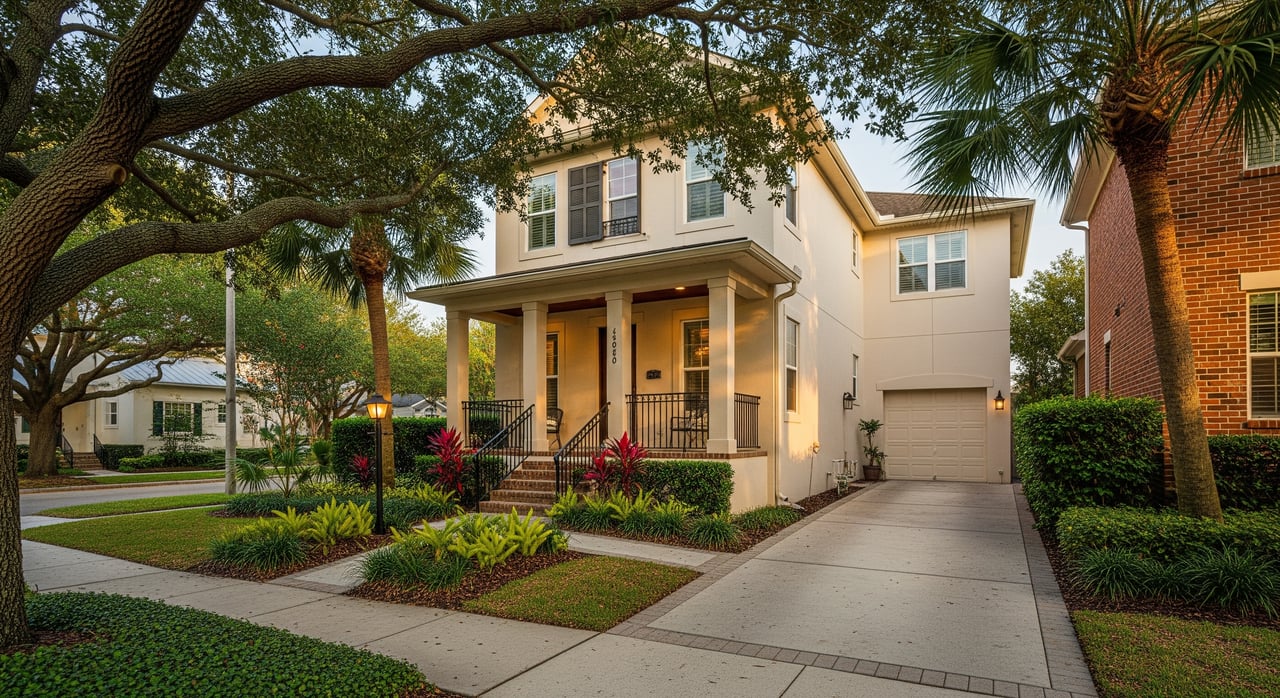
Eyeing a College Park townhome but unsure about HOA fees, parking, and the fine print? You are not alone. Buying in an urban-adjacent neighborhood comes with perks and tradeoffs that are easy to miss on a quick tour. In this guide, you will learn how townhome ownership works in Florida, what fees typically cover, how parking and guest spaces are handled, and the lifestyle rules that matter. Let’s dive in.
Townhomes in Florida are organized in a few ways. The most common is a fee-simple townhome in an HOA where you own your lot and unit, and the HOA manages shared areas and covenants. Some townhome communities use the condominium form where you own the interior and share ownership of the exterior and common elements. Cooperatives are rare in this area.
Florida law outlines how associations operate and what must be disclosed during a sale. Homeowners’ associations generally follow Chapter 720 of the Florida Statutes. Condominium associations follow Chapter 718. In a purchase, you should expect to review governing documents, budgets, recent financials, and meeting minutes.
The form of ownership shapes your responsibilities. In many fee-simple townhome HOAs, you may handle some exterior items like roofs or yards depending on the declarations. In condominium regimes, the association often covers the exterior and roofs. Insurance also differs. Condominiums typically carry a master policy and owners carry an HO-6 policy for interiors. Fee-simple townhomes often require an owner’s dwelling policy similar to a single-family home. Always verify the association’s declarations and insurance certificates for the property you are considering.
Monthly HOA dues vary by product, age, and amenities. In Orlando and similar Central Florida neighborhoods, many townhome HOAs fall anywhere from the low hundreds to several hundred dollars per month. Smaller, low-amenity communities often range around 100 to 300 dollars per month. Larger complexes with landscaping, exterior maintenance, pools, security, or gated access can be 300 to 700 dollars or more per month. Condominium-style townhomes can be higher depending on coverage and amenities.
What do those fees usually cover? Common line items include exterior or common-area maintenance, landscaping and irrigation, private road and sidewalk upkeep, trash and recycling, and amenities like a pool or clubhouse. Associations also budget for management, legal and accounting, and sometimes exterior hazard insurance or bulk services like pest control or cable. Coverage differs by community, so read the current budget closely.
Look beyond the monthly number. Special assessments can occur if reserves are low or if major repairs are needed. A healthy reserve plan is important, especially for roof replacement, exterior painting, and storm-related repairs. Expect application, transfer, and estoppel fees as part of closing. These smaller items add up and should be part of your comparison.
Financing can also hinge on association health. Lenders review budgets, reserves, owner delinquency rates, and rental ratios. Condominium projects sometimes need project approvals. Fee-simple townhomes in HOAs are often easier to finance, but it still helps to involve your lender early so they can review documents and flag issues before you fall in love with a home.
Parking is one of the biggest lifestyle differences between townhomes and single-family homes in College Park. Many townhomes have an attached one or two car garage, sometimes with a private driveway or parking pad. Some older communities may offer carports. Most communities set aside a limited number of guest spaces that are managed by the HOA.
On-street parking varies by block and follows City of Orlando rules. Some streets near commercial corridors and Downtown access routes use time limits or residential permit parking. If a townhome lacks enclosed or assigned parking, confirm overnight rules for both the community and the street in front of it.
Guest parking is commonly limited and enforced. Many associations use time limits, designated guest areas, or permit systems. Enforcement can include warnings, fines, and towing. If you plan to host often, you will want to know those rules upfront.
Pet rules vary by community. HOAs often limit the type, number, or size of pets and set rules for leashing and waste disposal. Some associations restrict certain breeds. Federal and state laws require reasonable accommodations for assistance animals under the Fair Housing Act and related guidance. If you have an assistance animal, ask about the association’s process and documentation requirements.
Leasing rules also matter for both homeowners and investors. Many associations cap the percentage of leased units, require minimum lease lengths, and use an application or approval process. These caps can affect financing, and they shape the mix of owners and renters in the community. If you plan to rent your home in the future, check the rules and current lease ratios.
Expect an architectural review process for exterior changes. Paint colors, fencing, landscaping, screening, and satellite dishes often require approval. Most associations also have noise and use rules that cover quiet hours, exterior storage, and common-area use. Understanding how rules are managed and enforced will help you match the community to your lifestyle.
College Park sits immediately north of Downtown Orlando, with a mix of historic bungalows, new infill single-family homes, and a growing number of townhomes. Some pockets put you within a short walk or bike ride to neighborhood shops, restaurants, and services. Others are more car dependent, even within the same zip code. Because walkability changes block by block, plan a daytime and evening visit to map out your daily routines.
Why choose a townhome here? You often get lower maintenance because the association handles exterior elements and landscaping. You may be closer to restaurants and services, which can reduce car trips. A smaller footprint and limited yard can free up your weekends. For many buyers, those lifestyle perks offset the monthly HOA fee.
The tradeoffs are real. Compared to a single-family home, you will likely have less private outdoor space. You share walls, which can mean more noise if construction is not well insulated. Parking can be tighter, and you will have to follow community rules for pets, rentals, and exterior changes. The right choice depends on your priorities.
Other local items to check include flood risk and insurance. Parcels near lakes or low-lying areas may sit in a flood zone, which can affect your insurance needs. Review flood maps for the exact address and ask for any elevation certificates. Resale dynamics can also vary based on rental caps and the buyer pool for a given community.
A great townhome in College Park can deliver a low-maintenance lifestyle near the places you love, but the best fit depends on how fees, parking, and rules line up with your day-to-day routines. If you want a second set of eyes on association budgets, parking plans, and neighborhood tradeoffs, our team is here to help you compare options and buy with confidence.
Ready to map your next move in College Park? Schedule a complimentary strategy session with Jesse T. Rottinghaus and the ElevateFL team to align your lifestyle goals, budget, and timing.
Stay up to date on the latest real estate trends.
June 11, 2026
June 4, 2026
May 28, 2026
May 21, 2026
May 14, 2026
May 7, 2026
April 23, 2026
April 16, 2026
April 2, 2026