Winter Park Lakefront Home Pricing vs Interior Homes
January 1, 2026
January 1, 2026
Thinking about buying or selling in Winter Park and wondering how a lakefront address stacks up against an interior-street home? You are not alone. Waterfront here is scarce and special, and the right details can swing value by six figures. In this guide, you will learn the specific features that move the number, how pros compare lakefront to interior homes, and the steps to price with confidence. Let’s dive in.
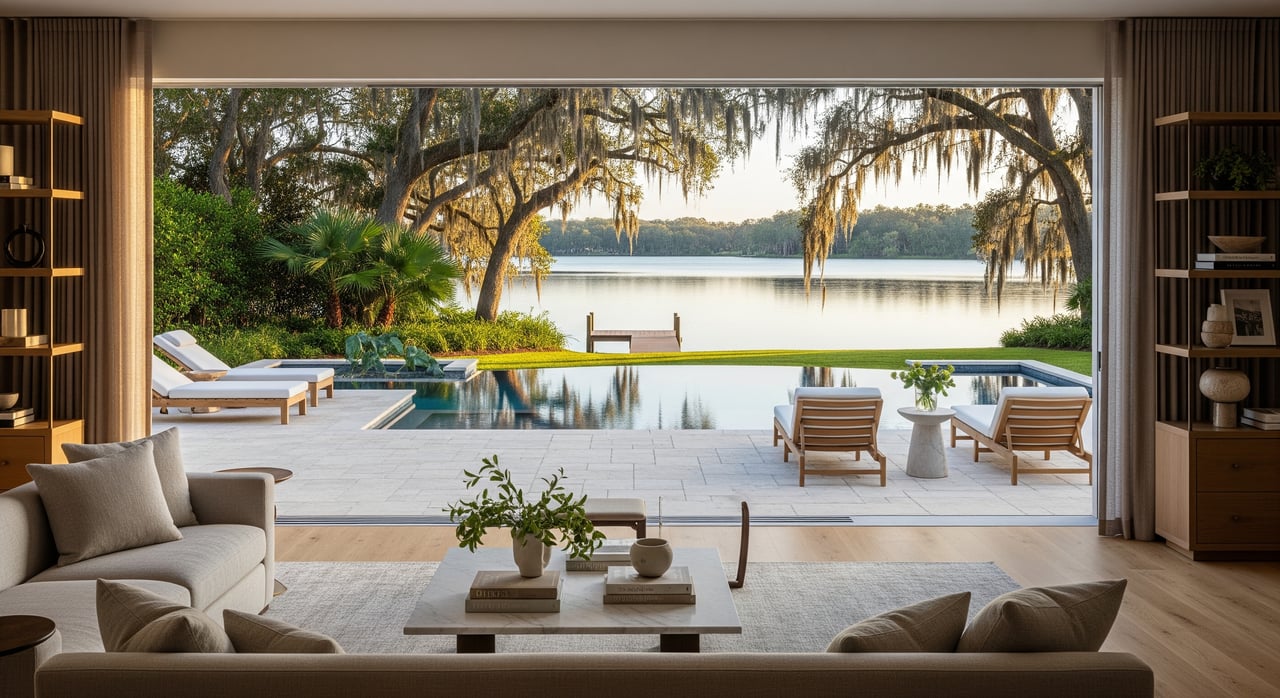
Water frontage is more than a view. It offers utility like boating, private docks, and a lifestyle that many buyers prioritize. That utility and the scarcity of true lakefront parcels often create a premium over similar interior homes.
There is no single “waterfront premium.” Value depends on the exact waterbody, lot geometry, frontage length, navigability, and the condition and permits of shoreline improvements. Think of waterfront as a spectrum, from direct navigable lakefront to canal-front to small ponds or shared shoreline. Each segment prices differently and should be evaluated on its own merits.
Direct lakefront with access to the Winter Park Chain typically commands more than non-navigable frontage. Canal-front can be valuable when the canal is navigable and maintained for typical boat drafts. Always confirm riparian rights and whether the canals and bridges accommodate your intended boat size.
If you plan to add or repair a dock or seawall, review local rules with the City of Winter Park planning and building team and, for certain activities, the St. Johns River Water Management District and the Florida Department of Environmental Protection.
Linear feet of shoreline influence dock options, view width, and privacy. Wider frontage supports larger docks and broader views. Lot depth and shape affect setbacks, usable yard, and whether you can create outdoor living spaces that take full advantage of the water.
A safe, permitted dock and sturdy seawall reduce near-term costs and risk for buyers, which supports price. Unpermitted, deteriorated, or unsafe structures do the opposite and often trigger a cost-to-cure adjustment. If you are selling, documenting permits and recent repairs can protect your premium.
Panoramic views and clear sightlines add to perceived value. Southern and western exposures appeal to many buyers for afternoon light and sunsets. Blocked views from vegetation or neighboring structures generally reduce the premium, even on the same lake.
Algae blooms, invasive aquatic plants, and turbidity can limit recreation and detract from appeal. Canal bottlenecks, shallow areas, or low bridges can limit boat access and the utility of a lift. These risks do not affect every property equally, so evaluate the specific shoreline and route you will use.
Flood zone and elevation influence insurability and recurring costs. Ask for the elevation certificate and verify the FEMA flood zone using the FEMA Flood Map Service Center. Homes with higher finished-floor elevations or mitigation features can compare more favorably than low-elevation homes.
Private, deeded shoreline typically carries more value than public or shared access. Title matters. Confirm riparian rights, submerged land ownership or leases, conservation easements, and any encroachments. Your survey should clearly show the mean high-water line and dock locations relative to lot lines.
Interior streets can hold their own for different reasons. Privacy, mature tree canopy, walkability to parks and retail, and lower insurance or maintenance costs can narrow the gap with certain waterfront properties. Buyers who do not boat may value a renovated interior home near amenities more than a canal lot that needs work.
Start with recent sales on the same lake or the same stretch of canal. Waterfront attributes on one lake do not always translate to another. Pull detailed fields and photos to verify frontage, dock features, and view quality. For public record context, the Orange County Property Appraiser is useful for parcel dimensions and lot sketches.
On lakes with multiple similar sales, analysts sometimes compare price per linear front foot. This can help bracket value when frontage and depth are comparable. For narrow residential lots, frontage often matters more than total acreage.
Estimate the cost to repair or replace docks, lifts, seawalls, or address erosion and deduct from price expectations. For sellers, targeted repairs before listing can produce a positive return. For buyers, hard bids inform your offer and reduce surprises during inspections.
Unique, well-presented waterfront homes can sell quickly to the right buyer. Others take longer if the buyer pool is narrow. Set expectations based on current same-lake activity, showing volume, and feedback. Pricing discipline and strong presentation matter.
Gather permits and plans for your dock, lift, and seawall. Provide an up-to-date survey showing the mean high-water line and any encroachments. Share your elevation certificate and any recent flood-insurance quotes. Buyers and appraisers rely on these records to underwrite value.
Highlight water-facing spaces with high-quality photos and video, including sunrise or sunset perspectives. Show the route from your dock to key lakes on the Chain if navigable. If your exposure or view is a standout, feature it early in your marketing and open houses.
If your dock or seawall shows wear, obtain contractor estimates and, where feasible, complete targeted repairs before launch. Proactive documentation can prevent renegotiations and support your asking price.
Not every buyer is a boater. If your frontage is non-navigable or limited by bridges or depth, lean into privacy, views, and renovated interiors. If you have true navigable frontage with lift capacity, showcase that utility clearly and price to the boating audience.
Confirm riparian rights, easements, and submerged land status with title. Walk the seawall and dock. If in doubt, consult the City of Winter Park planning and building team early about dock and lift standards, then verify whether the canal route supports your boat.
Order or request the elevation certificate and confirm the FEMA flood zone through the FEMA Flood Map Service Center. Ask a flood-insurance agent for quotes based on the current structure and elevation. This affects total monthly cost and comfort level.
Have a licensed marine contractor assess dock pilings, decking, lifts, and seawall integrity. Use bids and timelines to inform your offer and inspection periods. Documented, permitted improvements are a plus.
If you prioritize sunset views, verify exposure. If you plan to wakeboard or entertain, check turning radius and water depth off the dock. If you prefer low maintenance, an interior home near parks and retail may be a better fit and value.
When you balance frontage, navigability, view quality, flood exposure, and the condition of shoreline improvements, the pricing picture becomes clearer. Pair that with waterfront-specific comps and strong documentation, and you can price or purchase with conviction.
If you are weighing lakefront versus interior in Winter Park and want a clear, data-backed plan to maximize results, let’s talk. Our team blends renovation-savvy advisory with media-forward presentation to meet buyers where they are and defend value with facts. Connect with Jesse T. Rottinghaus to schedule a complimentary strategy session.
Stay up to date on the latest real estate trends.
August 20, 2026
August 13, 2026
August 6, 2026
August 6, 2026
July 23, 2026
July 16, 2026
July 9, 2026
July 2, 2026
June 25, 2026