Understanding Warrantable Condos in Downtown Orlando
December 4, 2025
December 4, 2025
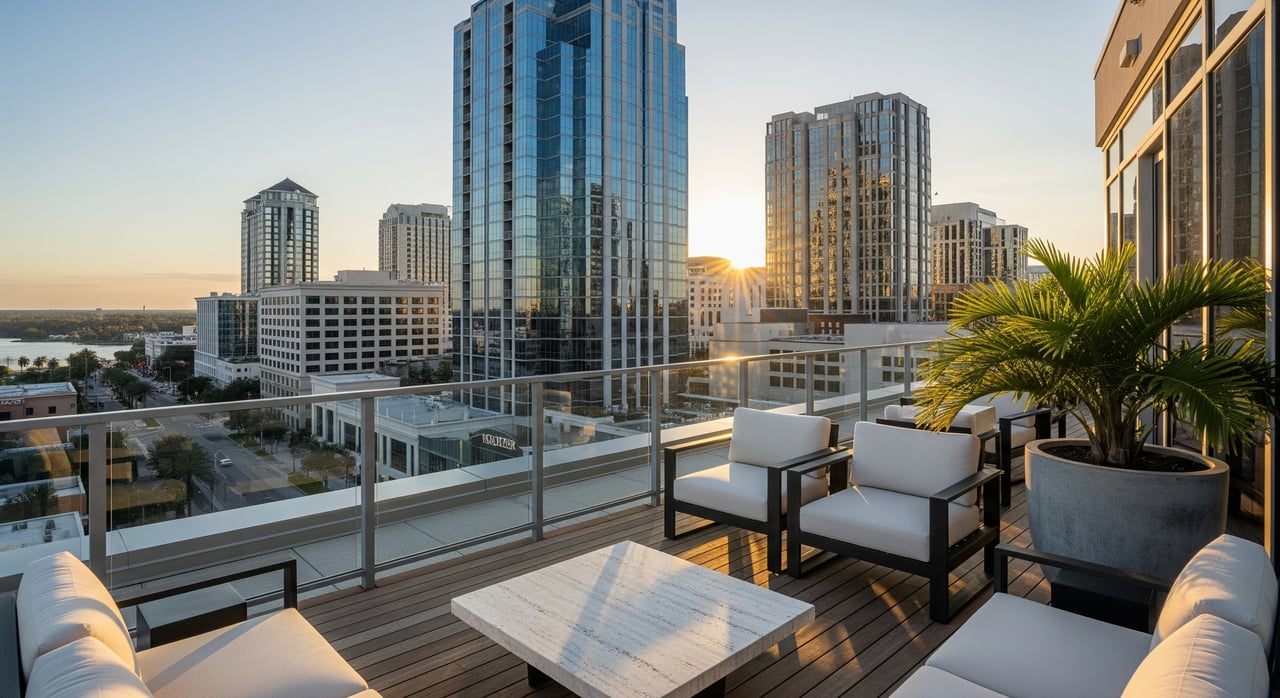
Shopping for a high‑rise condo in Orlando’s Central Business District and seeing the terms “warrantable” and “non‑warrantable”? You are not alone. These labels can determine your loan options, interest rate, and even whether your deal closes on time. In this guide, you’ll learn what the terms mean, how lenders evaluate downtown buildings, and the exact steps to vet a condo before you commit. Let’s dive in.
A condo is considered warrantable when the project meets eligibility standards used by many conventional lenders that follow Fannie Mae and Freddie Mac guidelines. When a building checks those boxes, you typically have access to more lenders, competitive rates, and flexible down payments.
A non‑warrantable condo fails one or more of those project requirements. That often limits financing to portfolio loans, select program exceptions, or cash, which can mean higher rates, larger down payments, and longer timelines. If you plan to use conventional financing, confirming project eligibility early can make or break your plan.
Lenders do a project‑level review before approving a loan for a unit. While details vary by lender and program, underwriters typically examine:
They look at the mix of owner‑occupied versus investor‑owned units and whether any single person or entity owns many units. A high investor share can limit conventional options.
Budget health matters. Underwriters review dues delinquency levels, operating cash flow, reserve accounts, and whether reserves align with a recent reserve study. High arrears or thin reserves are red flags.
Downtown towers often include street‑level retail or offices. Lenders evaluate how much of the building is commercial and whether those uses affect residential values or cash flows.
Projects must carry adequate master insurance. Material litigation, restrictive covenants that hinder marketability, or governance issues can lead to ineligibility.
If there are structural concerns, deferred maintenance, or widespread short‑term rentals, many conventional programs will not approve the project.
In the Central Business District, ground‑floor restaurants and retail are normal. Expect lenders to scrutinize the percentage of commercial space and lease structures.
Urban cores attract investors. High investor concentration and short‑term rental activity can conflict with conventional eligibility. Association bylaws that allow transient rentals often pose challenges for lenders.
Elevators, roofs, and mechanicals in older towers require large capital reserves. Insufficient reserves, recent or pending special assessments, or the absence of a current reserve study can push a building into non‑warrantable territory.
Following statewide changes after the 2021 Surfside collapse, there is increased attention on structural inspections, reserve funding, and engineering reports. Buyers and lenders now focus more on evidence of recent evaluations, maintenance plans, and compliance with applicable inspection requirements.
Ask for key documents early in your offer or inspection period. A clean, complete file helps your lender and protects your timeline.
Pro tip: Ask whether the association is currently approved or has applied for eligibility with Fannie Mae, Freddie Mac, FHA, or VA. That single answer can guide your loan strategy fast.
If the building is not eligible for conventional conforming loans, you still have options. Each path has tradeoffs.
Common impacts include longer timelines, higher borrowing costs, and fewer lender choices. Build that into your plan and offer strategy.
Getting out in front of project eligibility can save weeks.
A non‑warrantable building can limit your future buyer pool. That can affect price and days on market when you sell. If you are weighing two similar units, factor in each building’s eligibility, reserve strength, and litigation status alongside location and finishes.
Navigating Downtown Orlando condo financing is part market knowledge and part document management. You deserve clear answers before you put earnest money at risk. Our team pairs hands‑on investor advisory with detail‑driven guidance so you can move quickly and confidently on the right unit. Ready to map your financing options and vet specific buildings in the Central Business District? Reach out to Jesse T. Rottinghaus to schedule a complimentary strategy session.
Stay up to date on the latest real estate trends.
May 21, 2026

May 14, 2026
May 7, 2026
April 23, 2026
April 16, 2026
April 2, 2026
March 24, 2026
March 5, 2026

February 19, 2026